
Generator Service and Repair is a Mechanical contractor establishment in Pretoria, Gauteng, South Africa
Pretoria
Gauteng
2081
South Africa
Generator Service and Repair – Pretoria, Gauteng
Generator Service and Repair in Pretoria operates as a local specialist focused on the maintenance, repair, and installation of standby and portable generators across Gauteng. The business is typically described as providing a comprehensive range of services aimed at ensuring reliable power supply for homes and small enterprises, with an emphasis on practical, solution‑driven electrical support. The emphasis in customer discussions often rests on dependable diagnostics, clear communication, and timely execution of work, with a view to minimising downtime during power interruptions.
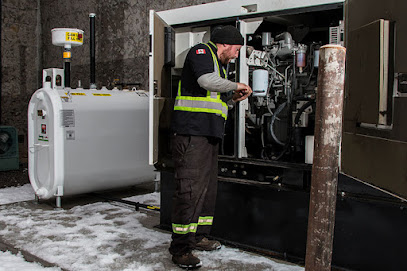
Core services commonly offered include routine maintenance to prolong generator life, diagnostic testing to identify faults, and repair work to restore normal operation. Routine maintenance may cover oil changes, filter replacements, battery checks, cooling system inspection, and exercising generators to prevent fuel or starting problems. In addition, the service portfolio frequently includes diagnostic assessments that determine whether issues are related to fuel systems, electrical components, electronic controllers, or alternators. When faults are confirmed, the provider typically offers a structured repair approach, beginning with diagnostic confirmation, followed by a quotation for parts and labour, and then the completion of necessary repairs once approval is secured.
Installation and commissioning are common elements of the listed services, particularly for customers introducing a new standby unit or upgrading an existing backup system. This often involves site assessment to determine power requirements, proper siting for ventilation and clearance, and safe electrical integration with the property’s distribution system. Where relevant, some operators mention support with the installation of transfer switches and integration with mains power, ensuring seamless switching between grid supply and generator power when outages occur.
Typical job types described by customers or the business profile include residential back-up systems designed to protect essential household loads, small business back‑ups for offices or storefronts, and portable generators used for construction sites or remote locations. The engagements can range from a straightforward service visit to a more complex repair project requiring component replacement, fuel system refurbishment, or electronic control module updates. Where possible, technicians are expected to carry common spare parts or source replacements promptly to shorten downtime, with work often confirmed through a quotation before any parts are ordered or fitted.
For the customer experience, several themes recur in reviews and profiles. Clarity of communication is frequently highlighted, with customers appreciating transparent explanations of fault causes and the steps required to restore functionality. Prompt scheduling after initial contact is another commonly noted positive aspect, alongside courteous handling of inquiries and professional conduct on site. The ability to explain maintenance needs in practical terms—such as recommended service intervals, signs of declining performance, and safety considerations—contributes to a sense of reliability and ongoing stewardship of the generator asset.
Operational practices typically emphasise safety and compliance. Technicians are expected to assess electrical safety, verify correct grounding, and ensure that work adheres to relevant local regulations and manufacturer guidelines. Where relevant, written quotations detail labour timeframes, parts costs, and anticipated completion dates, providing customers with a clear framework for decision making. Post‑service recommendations often include documenting service records, scheduling the next maintenance visit, and monitoring generator performance through basic tests or operational run programs to verify readiness for the next outage.
Practical tips for customers reflect common consumer concerns around reliability and cost efficiency. Regular maintenance, including timely oil and filter changes and fuel system checks, helps prevent unexpected breakdowns. Customers are advised to run standby generators periodically to keep the engine lubricated and to exercise automatic transfer switches so that the entire system remains responsive. Keeping a log of service dates, observed performance issues, and any abnormal noises or starting difficulties can assist technicians in diagnosing problems quickly during visits.
Geographically, the service area centres on Pretoria and the wider Gauteng region, with a focus on accessibility for on‑site visits to homes and small commercial premises. While specific hours and appointment windows may vary, the emphasis remains on prompt, practical service delivery aimed at minimising downtime during outages and ensuring sustained power availability for essential circuits and equipment.

Sorry, no records were found. Please adjust your search criteria and try again.
Sorry, unable to load the Maps API.
Appliance, Plumbing and Electrical Repair Services in Pretoria, Gauteng
In Pretoria, residents and businesses routinely rely on a broad range of repair services to maintain essential systems and appliances. A typical visit from an authorised technician covers several core areas, including domestic and commercial electrical repairs, plumbing maintenance, and the repair of common appliances such as air conditioners, stoves, refrigerators, televisions, and related equipment. The aim is to restore functionality with minimal disruption and to extend the operational life of equipment through informed maintenance.
Diagnostic assessments are usually the first step. Technicians perform a combination of visual inspections, functional tests, and safety checks to identify the root cause of a fault. In many cases, electrical faults may involve wiring, switches, outlets, or control boards, while plumbing issues could relate to leaks, pressure problems, or blockages. Appliance breakdowns often require module testing, component inspection, and occasionally non-destructive disassembly to verify whether internal parts can be repaired or must be replaced.
Safety is a central consideration across all service types. Electrical work adheres to established safety practices to reduce the risk of shock or fire, with attention given to circuit integrity and proper isolation procedures. Plumbing repairs prioritise leak control and the prevention of potential contamination. Appliance technicians likewise emphasise safe handling, particularly when refrigerants, high temperatures, or moving parts are involved. When in doubt, many technicians recommend temporary shutdowns or interim safety measures to protect occupants and property.
Part availability and repair versus replacement are practical considerations for customers. In Pretoria, technicians assess whether a faulty component can be restored or if a complete unit needs to be replaced. This decision typically factors in the cost of parts, expected reliability, and the anticipated lifespan of the appliance or system. For larger or more intricate failures, several parts may be sourced from local suppliers, with time frames varying according to stock levels and supplier networks. Clear communication regarding estimated turnaround times helps manage expectations during the repair process.
Turnaround times vary depending on the scope of work. Minor repairs may be completed within a few hours, whereas more complex issues could require parts on order or on-site replacement strategies that span days. For projects involving multiple systems—such as an integrated kitchen where plumbing, electrical, and appliance repairs intersect—coordination and staged scheduling minimise disruption to daily routines. Many customers value when technicians provide a transparent outline of steps, from initial diagnosis through to completion and final testing.
Preventative maintenance is commonly advised to reduce the frequency of faults. Routine inspections, hinge and seal checks on appliances, filter replacements for air conditioning units, and basic plumbing maintenance can prevent costlier failures. Some profiles of service providers offer maintenance plans or seasonal checks designed to extend equipment life and maintain efficiency, particularly for heating and cooling systems in Pretoria’s climate.
When choosing a service provider, perspectives of reliability, credibility, and local knowledge are important. Knowledge of Pretoria’s electrical and municipal regulations, environmental considerations for refrigerants, and familiarity with common regional wear patterns can influence outcomes. Customers benefit from technicians who provide clear, written assessments, itemised quotes, and practical advice on safety and maintenance without promising guarantees beyond sensible fault resolution.
- Initial diagnostic visit and safety assessment
- Accurate fault identification and recommended remedy
- Clear quotation with parts, labour, and expected turnaround
- Safe repair or replacement of faulty components
- Testing and verification of restored functionality
- Post-service preventative maintenance guidance