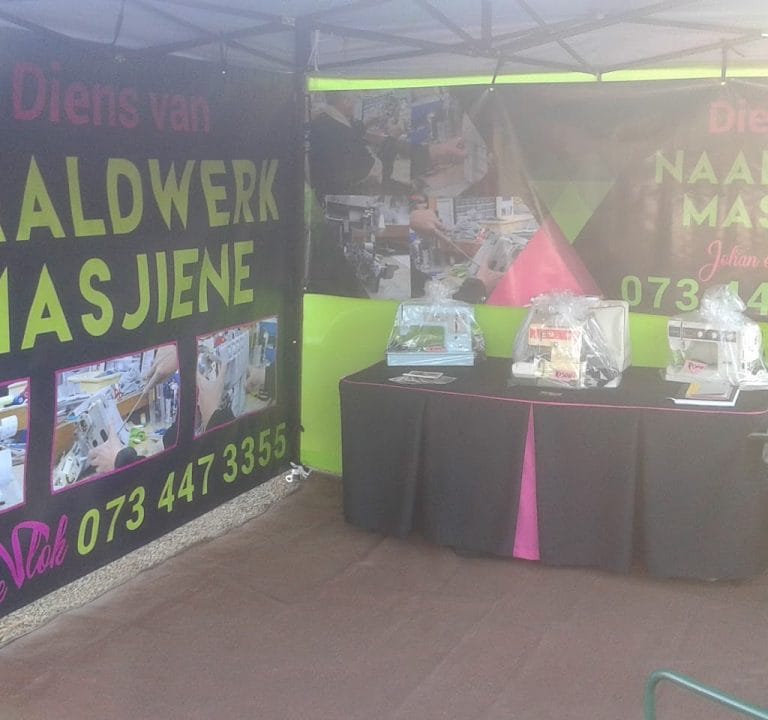
Johan & Isolde Sewing Machine Services is a Sewing machine repair service establishment in Bloemfontein, Free State, South Africa
Bloemfontein
Free State
9301
South Africa


Sorry, no records were found. Please adjust your search criteria and try again.
Sorry, unable to load the Maps API.
Sewing Machine Repair Services in Bloemfontein, Free State
Sewing machine repair services in Bloemfontein offer a practical solution for both domestic users and small business owners who rely on reliable stitching. Local technicians typically handle a wide range of machines, including domestic portables, overlockers, and industrial models used in small ateliers or tailoring operations. The focus in the Free State city is on timely diagnosis, informed troubleshooting, and careful refurbishment, ensuring garments and projects can proceed with minimal downtime.
The work commonly covers mechanical, electrical, and software-related aspects where applicable. Technicians inspect essential components such as drive belts, gears, timing mechanisms, bobbins, and needles, checking for wear and alignment. Electrical checks often address wiring insulation, switches, foot pedals, and motor functions. For electronic or computerised models, service may extend to microprocessor boards, sensor systems, and stitch control modules. In many instances, routine maintenance involves cleaning lint from internal cavities, lubricating moving parts, and replacing worn or damaged consumables like needles, presser feet, and bobbin cases.
A typical service journey begins with an initial assessment, where the technician requests information about the machine’s make, model, and a description of the fault. The next step usually involves a hands-on diagnostic check to observe stitching quality, noise levels, thread breaks, or looping issues. Based on findings, an estimate is provided outlining the scope of repair, expected turnaround time, and any parts required. For customers in Bloemfontein, where access to certain parts may vary, some repairs might necessitate sourcing components from regional suppliers or coordinating with the customer for after-market options. Honest communication about feasibility and potential risks is emphasised in order to manage expectations.
Customers can expect clear guidance on repair priorities. Common outcomes include replacing or repairing a faulty motor, improving thread tension, repairing timing or feed dog mechanisms, and restoring smooth feed and stitch formation. For overlockers and sergers, specialists often address differential feed adjustments, blade sharpness, and thread compatibility to ensure clean finishing effects. In cases where extensive repairs are impractical or cost-prohibitive, some technicians will propose machine reconditioning, part exchanges, or referrals to reputable suppliers for used or refurbished units.
Practical considerations for Bloemfontein residents include travel and appointment availability, especially during peak sewing seasons. Some workshops offer collection and delivery within nearby suburbs or townships, helping to minimise disruption for busy households or small studios. Customers are advised to provide model numbers, any recent incidents (such as thread jams or dropped machines), and to prepare the machine for transportation by removing loose accessories and securing the needle.
Warranty and aftercare are often part of the service landscape, with technicians offering post-repair checks to verify stitch quality and ongoing performance. Routine maintenance plans or service intervals may be suggested to extend the lifespan of the machine, particularly for models subjected to heavy use in garment production or home crafting. While pricing can vary depending on the fault severity and parts required, the emphasis remains on transparent communication, workmanship quality, and a practical approach to keeping sewing machines operational in Bloemfontein’s busy, productive environment.