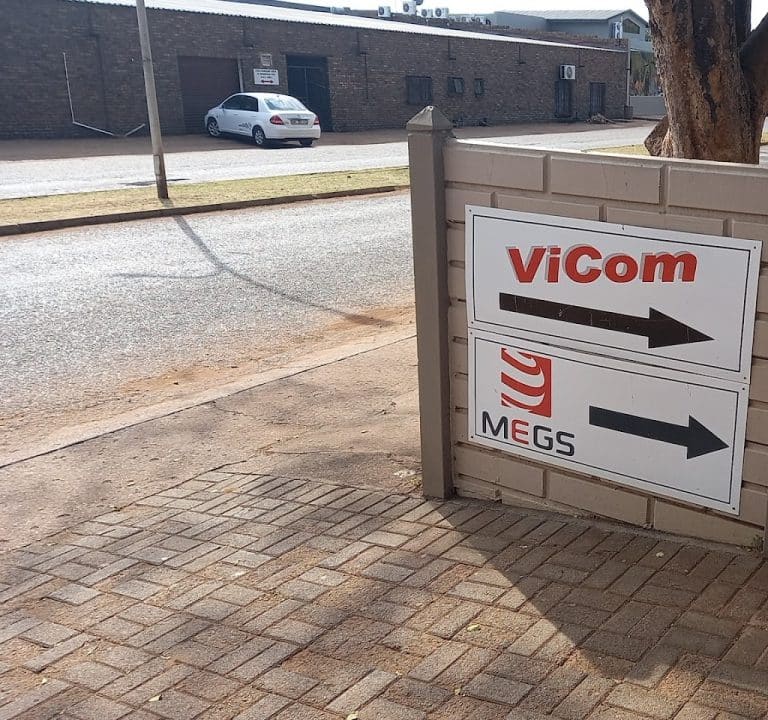
Vicom radios is a Repair service establishment in Thabazimbi, Limpopo, South Africa
Thabazimbi
Limpopo
0380
South Africa


Sorry, no records were found. Please adjust your search criteria and try again.
Sorry, unable to load the Maps API.
Repair services in Thabazimbi, Limpopo
In Thabazimbi, a town situated in Limpopo, repair services cover a broad spectrum of domestic, commercial, and industrial needs. Local repair professionals typically respond to requests for fixing faulty appliances, restoring electronic devices, mending furniture, and performing essential maintenance on vehicles and equipment used in mining and rural operations. The aim is to minimise downtime, extend the life of items, and help households and businesses run more reliably in a region characterised by variable weather and remote access challenges.
Common offerings include the repair of household appliances such as fridges, freezers, washing machines, ovens, and air conditioning units. Technicians may diagnose electrical faults, refrigerant leaks, motor issues, or control panel problems, then replace defective components or perform targeted repairs. Electronics repair covers items like televisions, radios, amplifiers, and computer peripherals. The focus is on restoring functionality while safeguarding user safety and energy efficiency. When it comes to furniture, specialists often tackle structural repairs, upholstery, and finishing touches that renew appearance and extend usability.
Beyond consumer goods, a number of repair services address vehicles, trailers, and machinery used in daily life and local enterprises. Mechanical and electrical repairs for cars, light commercial vehicles, and agricultural equipment are commonly encountered. In mining-adjacent areas, technical support for heavy duty equipment may involve routine service checks, brake and suspension inspections, and diagnostics for electronic control systems. These tasks typically require experienced technicians, appropriate tooling, and adherence to safety protocols.
Several factors influence how repair services operate in Thabazimbi. Availability of skilled technicians can be affected by remote geography, limited local stockists, and varying transport conditions. Consequently, some repairs may necessitate coordination with regional suppliers or temporary parts sourcing, which can affect lead times. Depending on the nature of the item, a visit from a technician to the customer’s site might be arranged, or items could be brought to a workshop for assessment. Clear communication regarding expected timelines, potential charges, and any diagnostic fees helps manage expectations in a locale where travel distances and weather can impact service delivery.
For customers seeking repairs, the process generally follows a straightforward pattern. An initial assessment identifies the fault, followed by a quotation or estimated cost for parts and labour. If the repair proceeds, technicians perform the necessary work, test the item to confirm the fault is resolved, and provide guidance on safe operation and maintenance. It is common to receive a brief warranty or guarantee on the repaired component or service, though specifics may vary. Records of workmanship and parts used can assist future servicing and resale considerations.
Practical considerations in this region include the importance of energy efficiency and safety compliance. South Africa’s electrical standards emphasise proper handling of mains voltage and safe dismantling practices, particularly for appliance and electronic repairs. Consumers are advised to obtain receipts, verify guarantees, and question the scope of any diagnostic fees before authorising work. For sensitive electronics, protection against dust and humidity—common in some environments—can influence repair choices and component longevity. In Thabazimbi, maintaining regular maintenance schedules and addressing minor issues early often helps prevent more costly breakdowns and reduces downtime for homes and businesses alike.
Overall, repair services in Thabazimbi, Limpopo, provide essential support for everyday life and local industry. By combining practical diagnostic skills with an understanding of regional conditions, technicians aim to deliver reliable fixes, practical advice, and value for money, helping communities stay productive and resilient in a challenging yet dynamic setting.