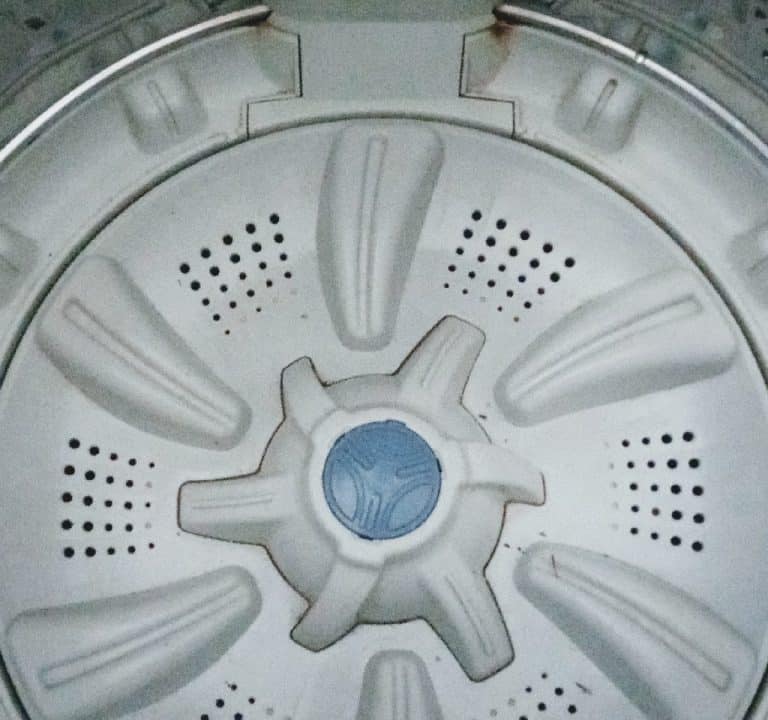
We Buy Broken Washing Machines is a Appliance repair service establishment in Gqeberha, Eastern Cape, South Africa
Gqeberha
Eastern Cape
6070
South Africa
We Buy Broken Washing Machines – Gqeberha, Eastern Cape: Services and Customer Experience
In Gqeberha, Eastern Cape, the business operates within the domestic appliance sector by focusing on the procurement, assessment, and potential repurposing or disposal of broken washing machines. The organisation is positioned to engage with customers who are seeking a practical means of addressing non-functioning units, with an emphasis on accessible service in the regional area.
Core services offered include the evaluation of washing machines that are no longer operational, followed by decisions regarding disposal, refurbishment, or purchase as part of an express service stream. The exact scope of work typically encompasses initial assessment, decision-making on subsequent steps, and coordination related to the machine’s next phase—whether that involves recycling, resale, or other appropriate outcomes. The emphasis appears to be on providing a straightforward and efficient pathway for customers dealing with unwanted or broken appliances.
Typical job types described within the regional market include site visits to assess machines that have failed or become obsolete, collection or removal where appropriate, and handling of units that may require breakdown, sorting, or processing for resale or recycling. While individual cases vary, the common thread is a focus on resolving the immediate issue of a non-working appliance, paired with practical consideration of the most sensible next steps for the customer and the environment.
The process for service calls generally follows a practical sequence aimed at clarity and efficiency. It commonly begins with an initial contact or on-site visit to inspect the washing machine, followed by a diagnostic assessment to determine the cause of failure. Based on the assessment, a quotation or an outline of possible actions is typically presented, detailing whether repair, replacement, or disposal is advised. If parts are required, the service pathway usually includes procurement and installation or handling by specialists, with considerations given to compatibility and safety. The overarching goal in these interactions is to provide transparent guidance so customers understand options, expected timelines, and any associated costs before proceeding.
From a customer-experience perspective, a practical approach to engagement may focus on clear communication, straightforward pricing where available, and efficient handling of the appliance’s lifecycle. Customers often value guidance that helps them decide whether repair or replacement is the most sensible course of action, taking into account the machine’s age, condition, and potential impact on household routines.
Practical tips for customers considering engagement with a local provider of broken-washing-machine services include: assessing whether the unit is worth repair based on its age and reported fault, requesting a transparent diagnostic approach that outlines the problem, and seeking confirmation on whether the service includes parts, labour, and any disposal or recycling fees. It is also sensible to confirm the area coverage within Gqeberha and surrounding districts, to understand whether a visit can be arranged within a convenient time window. When scheduling, customers may benefit from having information about the machine’s make and model, symptoms observed, and any prior repair attempts, to support a smoother diagnostic process.
Regarding location and area served, the service operates within Gqeberha and the broader Eastern Cape region. The exact neighbourhoods and accessibility vary, but the focus remains on offering regional coverage that facilitates prompt response to non-operational washing machines, with an emphasis on practical outcomes regarding disposal, resale, or refurbishment where feasible.
In summary, the local offering appears to centre on facilitating the lifecycle management of broken washing machines through diagnosis-oriented assessment, decision-making guidance, and practical handling of subsequent steps. The approach aims to balance convenience for customers with sensible considerations for resource use and environmental responsibility, within the context of a regional service in Gqeberha, Eastern Cape.


Sorry, no records were found. Please adjust your search criteria and try again.
Sorry, unable to load the Maps API.
Gqeberha Appliance and Home Repair Services
<p In Gqeberha, Eastern Cape, households and small businesses rely on a wide range of repair services to keep essential systems operating smoothly. The landscape encompasses appliance repair, plumbing, air conditioner maintenance, stove and refrigerator repair, television servicing, and electrical repairs. Across the city, technicians balance practical expertise with a consideration for local conditions, sourcing parts where possible and offering guidance on maintenance that helps extend the life of equipment.
<p Appliance repair technicians typically assess household devices such as washing machines, tumble dryers, dishwashers, and external appliances with attention to safety and efficiency. A typical approach involves a diagnostic check to identify the fault, followed by a repair plan that may include component replacement or tuning. Consumers can expect clear explanations of issues, potential risks, and expected timelines. When parts are required, the turnaround depends on availability and the scope of the fault. Preventative maintenance advice is often provided to minimise future breakdowns, including routine cleaning, filter changes, and mindful usage practices.
<p Plumbing services in Gqeberha cover leaks, blocked drains, pressed fittings, and water pressure issues. Plumbers may inspect pipes for corrosion, perform leaks detection, and advise on water efficiency. Emergency responsiveness is valued, particularly for issues such as running taps or sudden bursts. Practical considerations include confirming the source of a problem, securing the area to avoid property damage, and offering options for repairs or replacements that align with budget and practical durability. Routine maintenance tips, such as pipe insulation and safe cleaning practices, are commonly shared to reduce the likelihood of recurring faults.
<p Air conditioner repair and maintenance professionals address refrigeration cycles, cooling efficiency, and electrical connections. Diagnostic routines may identify refrigerant concerns, compressor issues, or fan failures. Safety is emphasised when dealing with electrical components and high-volt systems. Turnaround times depend on the complexity of the fault and the availability of parts, with some issues solvable in a single visit and others requiring more extensive service. Preventative measures, including filter cleaning, refrigerant checks, and regular servicing schedules, are often recommended to sustain performance through the hot seasons.
<p Stove and refrigerator repair specialists focus on heating elements, thermostats, seals, door gaskets, and overall thermal performance. For stoves, attention is paid to ignition systems, burners, and control panels, while refrigerators are assessed for proper cooling, frost build-up, and door alignment. Clear diagnostic reporting helps customers understand whether repairs are cost-effective relative to replacement. Safety considerations include handling of electrical connections and refrigerants in a controlled manner, with adherence to local regulations where required.
<p Television repair services examine display quality, sound output, power supply issues, and remote control functionality. Technicians may perform component testing, panel assessments, and firmware updates as appropriate. Where parts are scarce, technicians may provide timelines or alternatives, such as diagnostic confirmation and repair planning that fits the client’s needs. Electrical repair services cover wiring faults, electrical outlets, circuit breakers, and consumer unit safety checks. When dealing with electrical systems, careful evaluation of load, insulation, and compliance with safety standards is essential to protect both occupants and property.
<p In all these service areas, customers are advised to consider factors such as diagnostic transparency, the likelihood of successful repair, warranty on parts or work, and the overall cost-benefit balance. Many professionals in Gqeberha emphasise safe work practices, clear communication, and the importance of regular maintenance to reduce the frequency of future faults. By aligning expectations with practical constraints—availability of parts, access to skilled technicians, and realistic turnaround estimates—homeowners and businesses can achieve reliable results while safeguarding their equipment and environments.
- Consider requesting a written diagnostic report and a suggested repair plan before authorising any work.
- Ask about warranties on parts and labour, and whether a service includes follow-up checks.
- Inquire about maintenance schedules that suit the local climate and usage patterns.